Traditional outfits
Aso-oke, wrappers and gele: planning a coordinated occasion look
By Chioma Fabrics · 24 November 2026 · 2 min read
A coordinated traditional outfit can bring together a blouse, wrapper, gele and shoulder cloth. Planning the pieces as a set helps you ask a clearer question about fabric, styling and price.

Understand the fabric direction
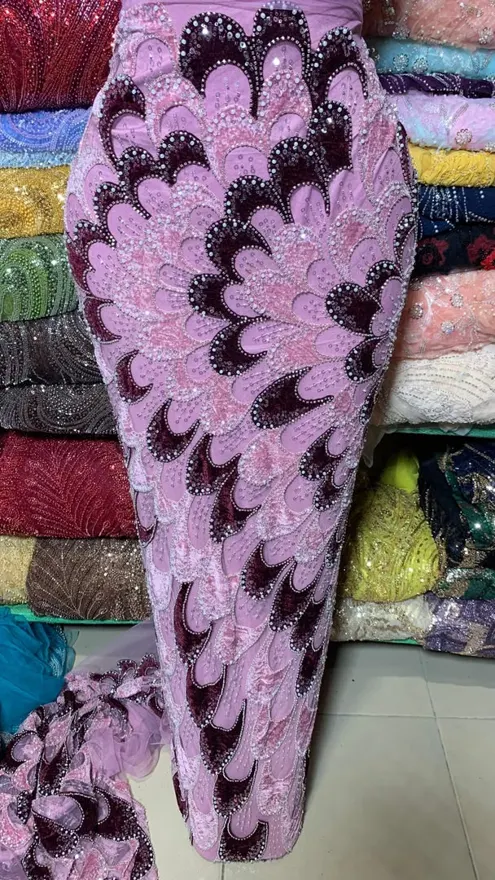
Aso-oke is associated with Yorùbá weaving and ceremonial dress. The Saint Louis Art Museum describes handwoven examples from southwestern Nigeria, including a variety of materials and techniques. The practical point for a buyer is to ask about the actual cloth: its composition, width, weight, texture and finishing. A striped photograph does not establish those details or the provenance of a particular fabric.
List the pieces you want included
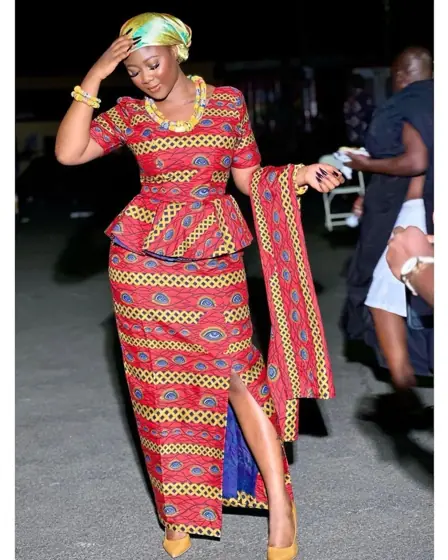
A reference photo may show a blouse, wrapper, gele, shoulder cloth, jewellery, shoes and a bag. Do not assume one quote includes everything in the image. Tell Chioma which clothing pieces you need and ask separately about accessories. If you only want the wrapper and gele, or you already have a blouse, make that clear at the start.
Discuss the shape and the feel
Consider the sleeve opening, neckline, blouse length and how you want the wrapper to sit. Ask whether the proposed cloth will give the volume and structure you like. A tailor may recommend a different treatment for a softer or heavier material. For couples or family outfits, discuss how the colours should coordinate without assuming every person must wear the same combination of pieces.
Plan the occasion and the handover
For a celebration in Abuja or Gwagwalada, or a family event around Aba and Umuahia, give the event date and your receiving location early. Ask Chioma to confirm the sewing timeline, any sourcing steps and the delivery arrangement before committing. Aba and Abuja collection is by prior arrangement. For an outfit involving several people, send clearly labelled measurements for each wearer rather than combining everyone’s sizes in one unlabelled note.